


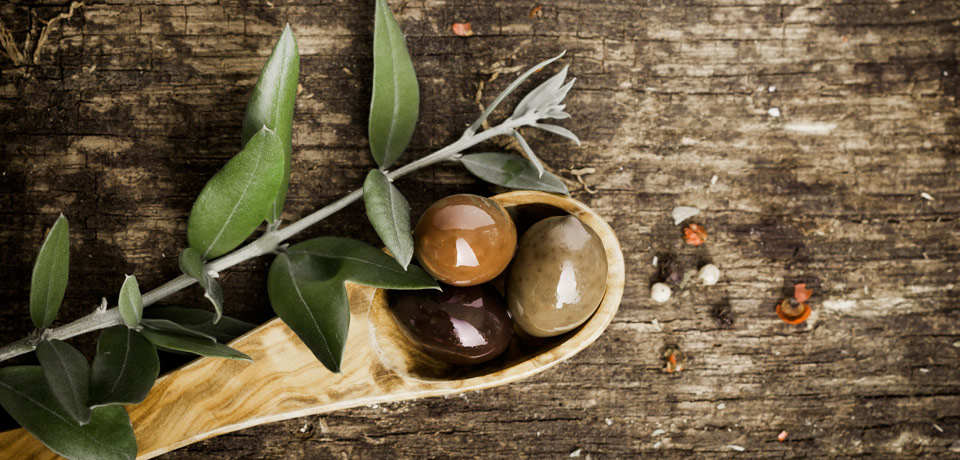
Most people have a love or hate relationship with olives. However, Canadians may be feeling the love with consumption increasing 150 per cent since 1990.
Technically considered a drupe – a fruit containing a pit or stone – olives are generally treated as a vegetable, like tomatoes, and consumed in savoury dishes or on their own.
Olive overview
Olives, olive branches and oils have contributed significantly to Mediterranean cuisine and culture – in practical and symbolic applications – for millennia.
Grown on trees, shrubs or vines, the fruit come in many varieties. Each has its own flavour profile based four characteristics:
- Geography: Today, 95 per cent of olive production is in the Mediterranean region, with Spain harvesting the most with an estimated 490,000 tonnes last year according to the International Olive Council. However, olives are grown around the world.
- Harvest: All olives start green, but can ripen to be purple, brown and black. Overall, table olives are classified based on their ripeness level at harvest – green, semiripe or black.
- Cure: Olives generally aren’t consumed straight from the tree and need to be cured and fermented to remove bitter compounds. Processing times vary between five methods – dry curing, brine curing, lye curing, freshwater curing and oil curing.
- Processing: Once curing is completed, olives may be pitted, stuffed, cracked, spiced, marinated or processed further into pastes or spreads.
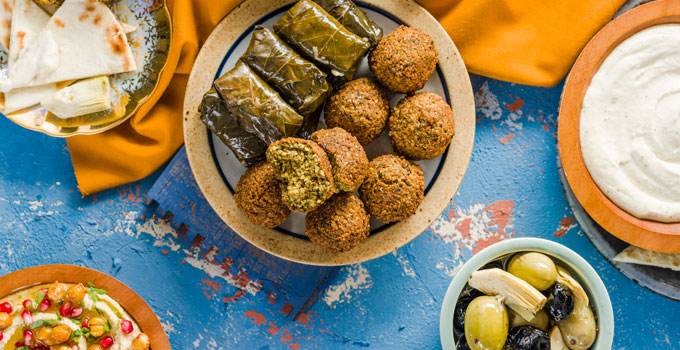
Use olives as part of a meze, antipasto or charcuterie platter. READ: World of flavour in 3 platters
Savour olive it
Olives’ signature saltiness can be enjoyed on their own or incorporated into a meal. They pair well with most foods including meat, fish, chicken, leafy greens, sweet potatoes and rice. Try adding olives to a dish in place of salt to enhance flavour with a bold and fruity profile.
As an appetizer or snack, it can be part of an antipasto platter or in a dip like this salsa. They obviously pair well with any Mediterranean-inspired meal, including pastas, pizzas, salads and kebabs. Bake olives into bread, or add on top of bread in a tapenade – a spread or condiment made with olives, capers and olive oil. Or just enjoy olives as garnish for your martinis.
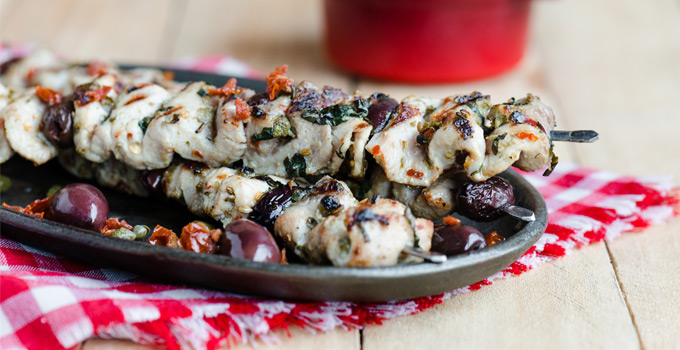
RECIPE: Tuscan Pork Kebabs
Just like grapes for wine, there are many varieties of olives. How to choose? Talk to foodie friends or taste test a mix. The following are some more common olive varieties:
- Kalamata: This prized Greek olive is dark purple and almond shaped and can be used in most dishes calling for black olives.
- Castelvetrano: This large, green olive has a buttery flavour and is a popular snack from Italy.
- Cerignola: Available in both green and black varieties, these are meaty and mild olives from Italy that are big enough to be stuffed.
Look for olives at your local Co-op Food Store. Bulk olives and other olive products can be found in the deli section, or look for canned or jarred products near the pickles.