


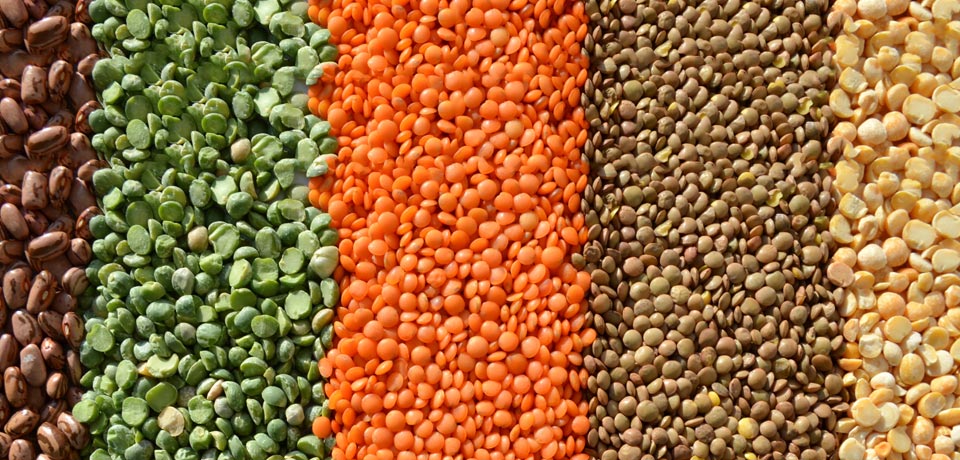
Pulses are low in fat, full of protein and affordable, making them an important component of diets around the world.
Canada produces one third of the world’s pulses—lentils, chickpeas, peas and beans—and the industry contributes $3 billion to the Canadian economy. However, less than 10 per cent of Canadian pulses are consumed locally – destined instead for countries like India, China and Bangladesh.
Rachel Kehrig with the Saskatchewan Pulse Growers said pulses traditionally haven’t been part of Canadian diets, but that’s changing.
“Consumption and awareness are growing, but there is still a lot of room to grow,” she said. “By understanding the health benefits and, most important for me, the versatility of pulses, I found ways to eat them all the time. It’s a common joke now that friends and family will try to find the lentils in whatever I’ve brought them.”

RECIPE: Veggie Burgers
Pulses in your diet
Kehrig said consumers are after more protein these days and becoming more flexitarian – not looking to be vegetarian, but seeking a plant-forward meal once or twice a week.
The nutritional benefits are clear. Equivalent portions of lentils and steak, for example, have the same level of protein but lentils only have eight per cent of the fat. In addition to protein, lentils provide fibre and micronutrients like iron, potassium, folate and zinc. They can help reduce the risk of chronic diseases including heart disease, cancer and diabetes. Pulses are also naturally gluten-free.
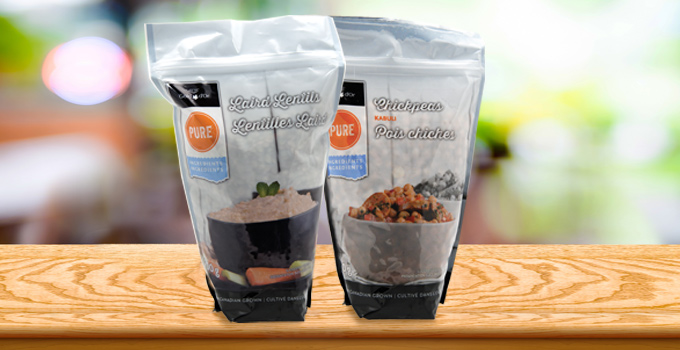
As part of its offering of natural products for healthy lifestyles, CO-OP GOLD PURE® Red Lentils, Laird (green) Lentils and Chickpeas – as well as grains such as barley, quinoa, farro, hemp seed and Khorasan wheat – are now available at participating Co-op Food Stores.
These pulse and grain products are grown at home in Western Canada, largely in Saskatchewan, and include information on how to prepare them – with a recipe on the package from Chef Dale MacKay.
Cooking with pulses
Recipes like lentil tacos, chickpea lasagna, red lentil soup, lentil salads and chickpea salads are providing options for everyone.
“We’re doing a lot to showcase the different ways pulses can be used,” Kehrig said. “A common misconception about pulses is that they’re difficult to cook. Because they are unfamiliar to consumers, we tend to hear a lot of stories that are a result of over or undercooking them.”
Pulses can be purchased in a various forms, including dried, canned or as a flour. Kehrig said lentils are the easiest to work with and do not require soaking. Soaking other pulses reduces their cook times and improves digestibility. She said it should take five to seven minutes to cook split red lentils and 10 to 15 minutes for whole lentils.
Pulses can be cooked and incorporated into a dish, but can also be pureed and added to baking. The puree is generally used to replace one third to one half of oil or margarine requirements.
“If I’m going to puree them, I’m going to make a huge batch and freeze in half-cup portions,” Kehrig said.
Kehrig also noted innovative and value-added products involving pulses are being developed at a faster rate, including pastas, granola bars, crackers and cereals.
Try pulses:
- In your favourite salsa or in a dip, like hummus
- On top of any salad or in a wrap (roasted chickpeas or beans can add a crunch)
- As a puree incorporated into mashed potatoes and spaghetti sauce.
- In your lasagna, chili or stew
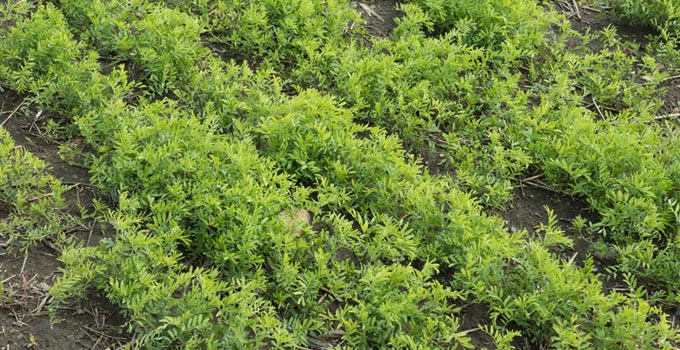
Ninety-nine per cent of chickpeas, 95 per cent of lentils and 70 per cent of peas are grown in Saskatchewan. These crops are also grown in Alberta, with Manitoba and Ontario focusing more on bean crops.
Protecting the environment
Pulses increase the sustainability of our food system. Pulses bring diversity to a crop rotation—the sequence in which farmers grow different crops on the same land. They do not require nitrogen fertilizers and actually leave behind nitrogren to benefit the following crop. Having pulses in the crop rotation also reduces the risk of insects and disease and can improve soil and water systems. Pulses also use half to one-tenth the water compared to the production of other proteins.
For more information, videos and recipes on pulses, visit pulses.org, pulsecanada.com and lentils.ca.