



Cold and flu season is here, and combined with COVID-19, it is a particularly complex year. Naturally, you want to reduce your family’s chances of getting sick. Over the last 11 years as a dietitian, I’ve found that a good nutritional foundation supports overall health and wellness, while better preparing the body to fight colds and flus.
Eating a balanced diet with a variety of high-fibre carbohydrates, protein, fruit, vegetables and unsaturated fats can prevent nutrient deficiencies. Eating this way also encourages an optimally functioning immune system to protect your body from harmful substances, germs and cell changes that can make you ill.
If you’re looking for a bigger boost, these three nutrients go above and beyond a well-balanced diet to support your immune system.
Zinc
Zinc helps maintain physical barriers, such as mucous secretions and stomach acidity, which help destroy pathogens.
Foods to boost zinc:
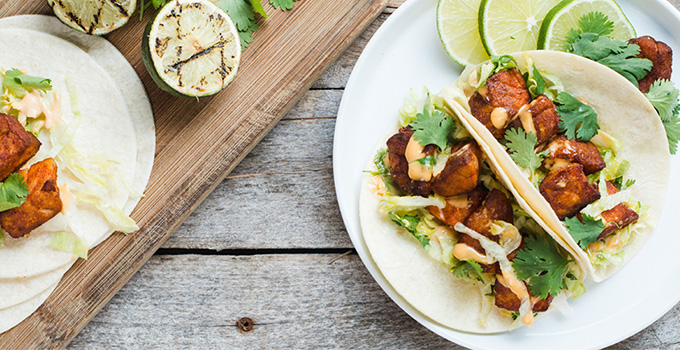
- Meat, poultry or fish. Try these Spiced Cod Tacos.
- Pumpkin seeds. Incorporate them into granola, hot oatmeal, muffins and salads such as this Crunchy Holiday Salad.
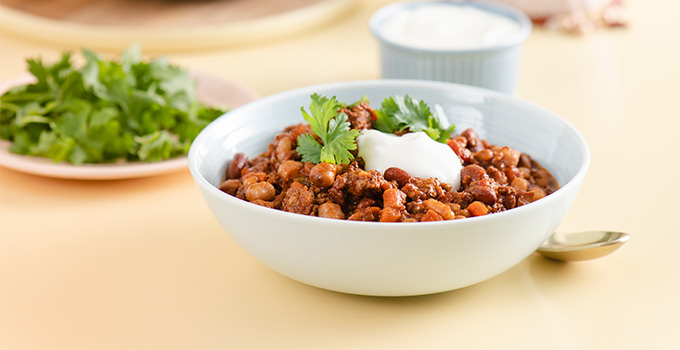
- Pulses like chickpeas and kidney beans. Add these to soup, stew or chili.
Can supplements help?
- Some studies show that taking 75-95mg zinc lozenges within 24 hours of symptom onset may shorten the duration of colds by approximately 33 per cent. Keep in mind, the adult upper limit is 40mg of zinc per day, so limit high doses to less than two weeks.
Vitamin D
Vitamin D is involved in regulating immune cells during infections. It stimulates the body’s ability to activate cells that help enhance immunity. Studies show that serum vitamin D levels are much lower in critically ill patients. Low vitamin D is also associated with increased upper respiratory tract infections. Adults up to 70 years of age should aim for 600IU per day; children, up to 400IU.
Foods to boost Vitamin D:
- Trout and salmon. At 500IU vitamin D per three-ounce serving, trout and salmon are our greatest contributors to vitamin D outside of supplementation. Have you tried Cedar Plank Salmon yet?
- Milk or fortified plant-based beverages. Each cup has 100IU vitamin D.
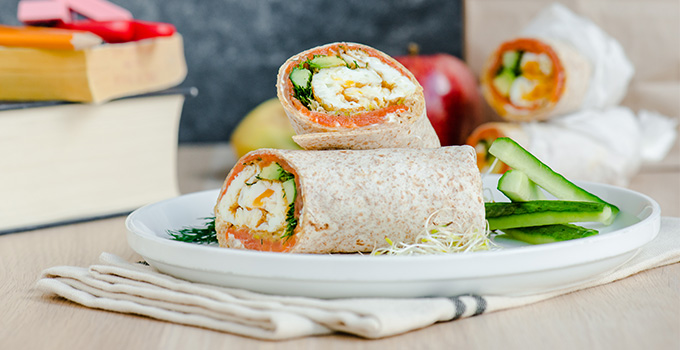
- Eggs. A single egg provides 40IU vitamin D. Try this grab-and-go breakfast wrap.
Can supplements help?
- According to several studies, taking a vitamin D supplement can help prevent upper respiratory infections.
Vitamin C
Vitamin C is an antioxidant nutrient that helps neutralize free radicals in the body that cause cell breakdown. Similar to zinc, vitamin C supports physical barriers to pathogens. And like vitamin D, it helps immune cells form and function properly. Chronically low intake of vitamin C causes dry mouth, hair loss, dry and itchy skin and increased susceptibility to infection.
Foods to boost Vitamin C:
- Bell peppers. They can be eaten raw, in a salad or incorporated into cooked dishes like this Prawn and Chorizo Paella.
- Kiwi fruit. Delicious on its own, in a smoothie or added to a yogurt and granola bowl.
- Broccoli. Steaming or roasting retains nutrients best.
Can supplements help?
- Studies show that people who regularly take a vitamin C supplement can expect shorter cold duration with slightly less severe symptoms. But if you start when you’re sick, it’s probably too late.
Overall, eating a balanced diet helps to prevent nutrient deficiencies and maintain a properly functioning immune system. Be proactive and aim for a varied diet that meets your nutritional needs. Eat more zinc-, vitamin D- and vitamin C-rich foods. Consider daily supplementation with vitamin D and C. Once you’re sick, zinc lozenges may help reduce your cold’s duration.
If you’re unsure about your nutritional intake, talk to a dietitian for an assessment and advice.
Brooke Bulloch is a Registered Dietitian and CEO of Food to Fit Nutrition Inc. She has worked with Huffington Post, Best Health magazine, Canadian Living, Chatelaine, The Globe and Mail and continues as a regular guest on Saskatoon’s Global News Morning.