


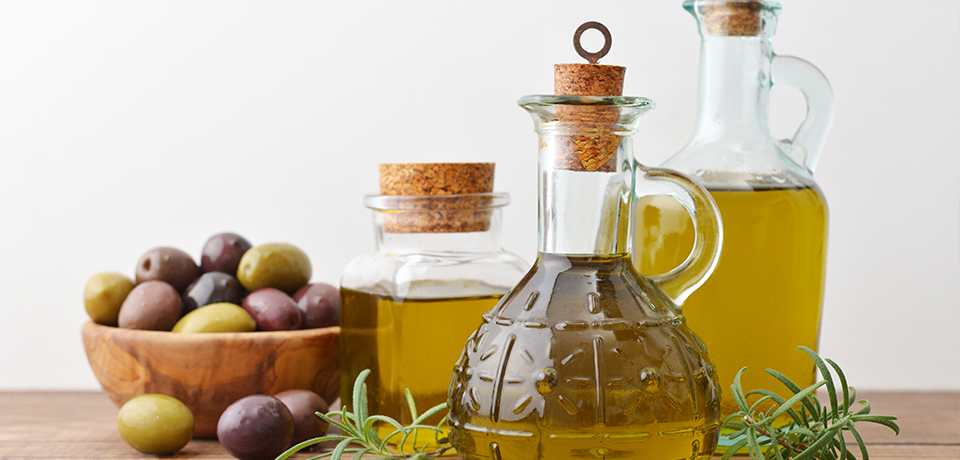
While some may argue it’s the only one you’ll ever need, every kitchen can benefit by having olive oil as part of its oil arsenal.
Olive oil can add flavour to your meal and offers a range of health benefits – making it a staple of the Mediterranean diet.
Types of olive oil
Olive oils are labelled according to the process used to extract the oil. Extra-virgin olive oil is the highest quality, having the lowest acid level and a superior taste. It comes from the first pressing generally within a few hours of the fruit being picked.
Refined olive oils are lower in quality and may use heat and/or chemicals as part of the extraction process. These products may be labelled olive oil, pure olive oil, light olive oil or olive pomace oil.

How to use olive oil
Like wine, no two olive oils are the same with olive variety, terroir and crop conditions impacting its overall flavour. Olive oils may be categorized by fruitiness, pungency and bitterness, with flavour profiles including other subtle notes and aromas – of nuts, herbs, pepper, artichoke or apple, for example.
Because of this, olive oil can be a focal flavour or complement and enhance other flavours. The new CO-OP® GOLD Extra Virgin Olive Oil and CO-OP® GOLD PURE Organic Extra Virgin Olive Oil have robust flavour with hints of tomato, almonds and grass – the former having an exceptional fresh taste due to olives pressed within two hours of picking.
Because of this, olive oil can be a focal flavour or complement and enhance other flavours. Both CO-OP GOLD® Extra Virgin Olive Oil and CO-OP GOLD PURE® Organic Extra Virgin Olive Oil have a fruity taste with a sensation of fresh herbs and a slight hint of bitterness and spiciness.
Olive oils can be used in dressings and marinades or drizzled over a finished dish. It can replace most other oils and fats in any food preparation, including everyday cooking and frying. In baking, replace other oils or substitute olive oil for margarine or butter.
Health benefits
Olive oil contains vitamins, antioxidants and monounsaturated fatty acids – which are considered healthy dietary fat. According to the International Olive Council (IOC), research suggests olive oil may help:
- Prevent the formation of blood clots;
- Lower total blood cholesterol and reduce the risk of cardiovascular disease;
- Lower risk and protect against breast, bowel and colon cancer;
- Prevent or delay onset of diabetes;
- Bolster the immune system against microorganisms, bacteria and viruses; and
- Strengthen bones by helping absorb calcium, preventing osteoporosis.
Olive oil tips
- Unlike wine, olive oil doesn’t get better with age. Use within a few months of opening.
- Store oil in a cool, dark place to prevent degradation of the oil.
- Check the label for harvest and best by dates, country of origin, ingredients and lot code.
- Olive oils can range in colour from dark green to pale yellow. This is not an indication of quality, just a result of chlorophyll levels in the olives when pressed.
- You won’t be able to judge an olive oil by the label. If you can, try product samples, speak to friends or even contact the producer.
The Mediterranean region is still the dominant player in the olive oil industry for production and consumption – Greeks consume 24 litres every year on average, compared to just 1.5 litres for the average Canadian. New products continue to come out of Australia, the United States and South America.
So try different olive oils alone, without accompaniment, or as part of your next meal. Olive oil and balsamic vinegar are a perfect pair for salads, pastas or main courses. Or just drizzle some oil on your next pizza. Like many other food products – including wine and cheese – olive oil choice is a personal preference you have to discover.