


In the food world, cheese is an all-star.
“Cheese is one of the foods that has everything in it to keep us growing healthy and happy,” David Beaudoin, a cheese expert and consultant with Dairy Farmers of Canada.
Cheese is concentrated milk – it is 98.9 per cent milk to be exact – with protein, vitamins, calcium and healthy fats. It is complex in flavour and texture, yet its versatility lends itself to a wide range of uses in the kitchen. And then there is such variety in Canadian cheese. How do you pick just one?
“It’s such a wide open question,” said Beaudoin. “Do you want to experience a different kind? Do you want to cook with it?”
Before deciding, let’s take a look at what makes cheese what it is.
Texture and age
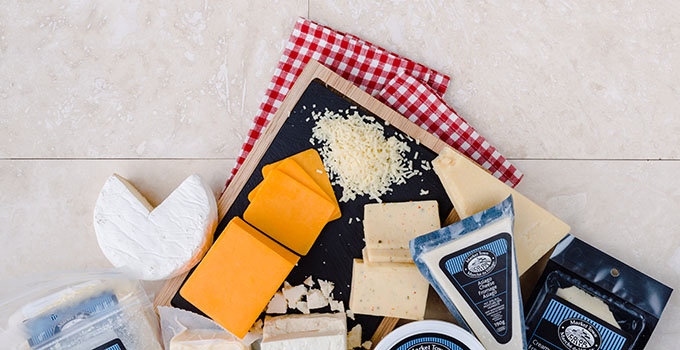
The more a cheese ages, the lower its moisture content, harder its texture and longer its shelf life will be. Some cheeses such as ricotta and marscapone are meant to be consumed immediately, while parmesan can age forever before it’s fully mature.
- Aging: mild (three to six months), medium (six to nine months), aged or old (nine to 12 months), extra-aged or extra-old (12 to 24 months)
- Texture: fresh (e.g. cream cheese, ricotta), soft (e.g. brie, camembert), semi-soft (e.g. harvarti, raclette, edam), semi-firm (e.g. cheddar, gouda, gruyere) and firm (e.g. parmesan)
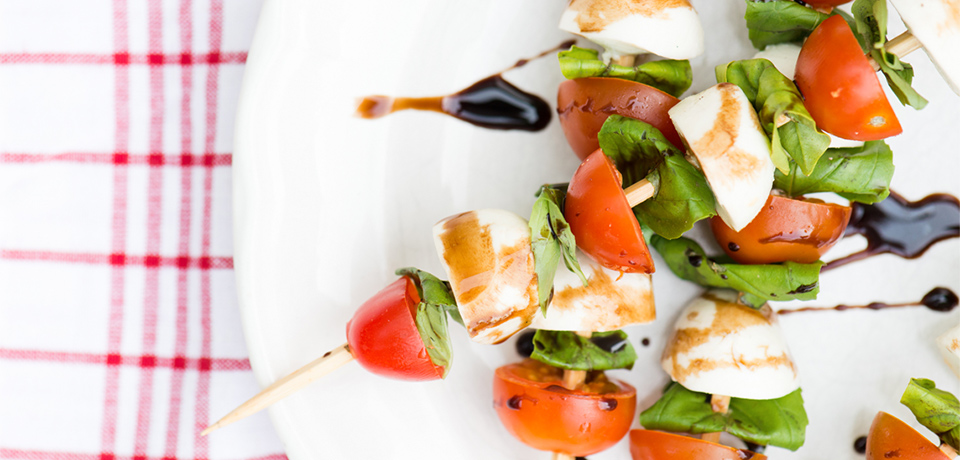
RECIPE: Bocconcini, Tomato and Basil Kabobs
Terroir
While terroir – the environment that provides a distinct character – is most commonly associated with wine, it can also be applied to milk and cheese production. Not only can the cow's breed impact cheese taste and fat content, but its eating habits can also make a difference.
“With a small herd and small cheese plant, there’s going to be more ‘terroir’, yet sometimes less consistency because everything will affect the day-to-day milking and taste,” Beaudoin explained. “If you get milk from more sources, you’ll get more consistency, but more blended taste.”
Types of instruments and practices in different cheese-making regions will also impact the final product.
“We’ll never have Italian cheese….the way they do it and the experience they have is unique to them,” Beaudoin said. “The Canadian way of making cheese is unique to us…the taste of our milk is completely different because it’s a different location, it’s a different season and it's a different terroir.”
Cheese experience
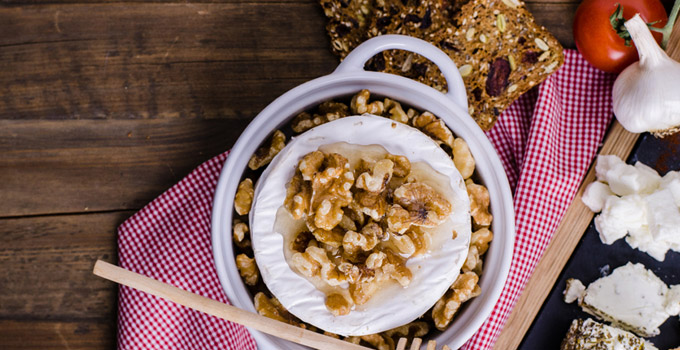
When selecting a cheese, you may want to consider your audience, cooking method and food pairing as well as the cheese's flavour, milk source and origin. Discovering a new cheese is an adventure – there are more than 1,000 cheeses in Canada alone to enjoy.Host a party with a cheese theme: local cheeses, foreign cheeses, cheese with spice, etc.
Some other helpful tips:
- Use your senses when eating cheese: look, smell, touch. When finally tasting it, squish it against your palate, appreciate the texture and creaminess.
- Try every part, including the rind. The only rind you cannot eat is wax. Use the rind in soup to provide additional flavour.
- Serve cheese at room temperature, removing it from the refrigerator and covering it to prevent drying at least 30 minutes before eating.
- Many cheeses can be frozen, but the freezing process may affect texture.
Beaudoin’s love and passion for cheese is clear. He said Canada produces amazing cheese, and is personally a fan of creamy cheeses and wash-rind cheeses.
His last piece of advice: “No matter what: make it cheesy.”