


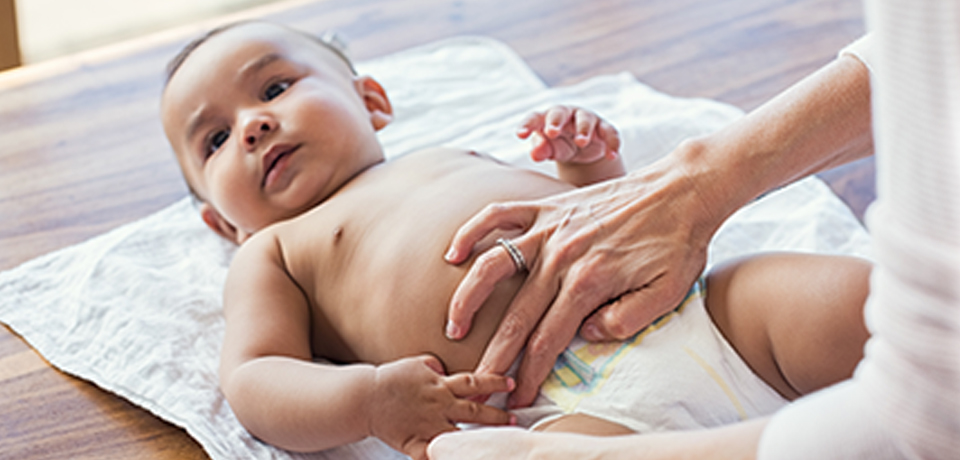
Diaper rash, also known as diaper dermatitis, is the most common skin irritation in infants and toddlers, although anyone of any age who wears diapers may be affected.
We spoke to Jesse Kapacila, Pharmacist at Lake Country Co-op in Prince Albert, Sask., about what to do when you’re caring for somebody with diaper rash.

What causes diaper rash?
Many factors can lead to diaper rash, Kapacila explained. The skin in the diaper area can often become chafed from friction between the skin and the diaper. As well, the diaper area is frequently exposed to urine and feces which is irritating to the skin.
Other factors which can contribute to diaper rash include:
- Frequent stools or diarrhea
- Not changing soiled or wet diapers frequently enough
- Tight fitting diapers which increase friction
- Frequent, vigorous cleansing and rubbing
- Use of cleansers or detergents which contain irritants such as fragrances or sodium lauryl sulfate
- Allergies to soaps, baby wipes, moisturizers or the diaper itself
- Yeast, viral or bacterial infections
What are the signs and symptoms of diaper rash?
Typical signs and symptoms of diaper rash include redness and irritation in the diaper area. The rash can range in severity from being mildly red, to a deep, shiny, purple rash which can result in blistering or ulceration in severe cases.
Diaper candidiasis can happen when a yeast infection occurs in the diaper area. Kapacila told us that it’s possible for any diaper rash to become complicated by a yeast infection, which can lead to worsening of the rash.
How can diaper rash be prevented or treated?
“Diaper rash is commonly a minor issue; however, it can cause significant discomfort,” said Kapacila.
Fortunately, there are some solutions to help parents and caregivers treat and prevent diaper rash.
Some measures to help prevent or treat diaper rash include:
- Changing the diaper frequently (every two to three hours when a rash is present), allowing the area to dry completely before diapering
- Gently cleaning the area with a soft washcloth or hypoallergenic baby wipes and cleaning bowel movements immediately
- Allowing the area to air dry by letting your baby go without a diaper for as long as possible
- Using a proper fitting diaper and ensuring it’s not so tight that chafes the skin
- Applying a barrier cream containing zinc oxide 20 to 40 per cent at each diaper change
What medications are most effective at treating diaper rash?
Barrier creams are considered the cornerstone of therapy in both the prevention and treatment of diaper rash.
“Depending on the cause and severity of the rash, your health care provider may also recommend using a topical corticosteroid or antifungal product to help resolve the diaper rash,” said Kapacila.
When should diaper rash be referred to a physician?
Sometimes a rash doesn’t improve within a few days of self-treatment, or may worsen, at which point you should see a doctor. Also see your doctor if the baby appears to be in pain, or is hard to console, or if the rash is accompanied by a fever, blisters, pimples or pus-filled sores, or if it spreads outside of the diaper area.
If you have any questions about diaper rash treatment, your Co-op pharmacist is here to help!