



Vaccination against Human Papillomavirus (HPV) is an important preventative measure against infection and further complications, including some kinds of cancer, precancer and warts.
Kaitlyn Baldwin, Pharmacy Student at Riverbend Co-op in Outlook, Sask., talked to us about the HPV vaccine and how your Co-op pharmacist can help you protect yourself.
What is HPV?
Human Papillomavirus (HPV) is transmitted either sexually or through skin to skin contact. This viral infection can cause malignant tumors to form in the cervix, anal canal or mouth. It's also relatively common—75 per cent of sexually active Canadians get at least one HPV infection in their lifetime.
Baldwin told us that possible mild complications from HPV include genital warts, plantar warts, flat warts and common warts. However, more serious complications are also possible.
"HPV can cause anogenital cancers, including cervical, vaginal, vulvar, penile and anal tumors. In addition, HPV can lead to genital warts which can be difficult to treat," she explained.
Getting vaccinated against HPV is an important way to protect your health.
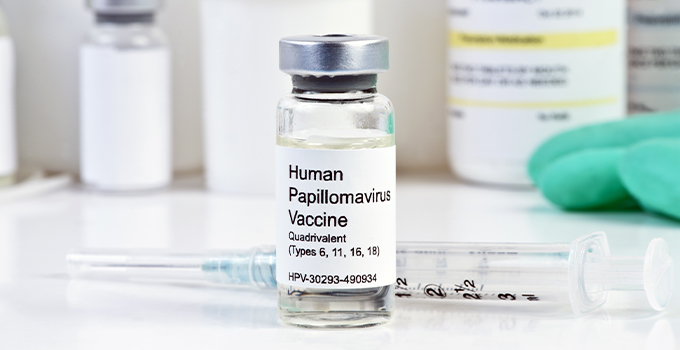
What is the HPV vaccine?
There are three HPV vaccines available which differ in the quantity of HPV strains that they protect against:
- The nine-valent vaccine (protects against nine HPV strains)
- Quadrivalent vaccine (protects against four HPV strains)
- Bivalent vaccine (protects against two HPV strains)
The most common vaccine is the nine-valent vaccine because it offers the widest range of protection, targeting the strains that are most commonly associated with cancer. There are two dosing options for this vaccine: three doses over a period of one year or two doses over a period of one year.
People ages nine to 27, including women who have had previous Pap test abnormalities or cervical cancer and individuals who have previously had genital warts, should receive the HPV vaccine.
"These vaccines may also be administered to individuals 27 years of age and older who have ongoing risk of exposure to HPV," said Baldwin.
However, there are some people who should not get the vaccine, including:
- People who have allergies to any component of the HPV vaccine.
- People who have moderate or severe acute illnesses.
- People who are currently pregnant.
What do we know so far about the HPV vaccine?
The HPV vaccine is relatively new and Baldwin noted that there are currently no trials of sufficient size and length to evaluate all outcomes of HPV vaccination. However, there has been significant success shown by the nine-valent vaccine in preventing anogenital tumors and genital warts.
Current research shows that the HPV vaccine does not require a booster, and there is no evidence that the effect of the vaccine is weakened over time.
Possible side effects include:
- injection site side effects such as pain, swelling, bruising, and bleeding
- headache
- fever
- nausea
- dizziness
- diarrhea
- sore throat
How can my pharmacist help?
Your local pharmacist is available to educate you on the prevalence, transmission, and complications of HPV and prevention strategies like safe-sex practices.
"Your pharmacist is also able to administer the HPV vaccine," said Baldwin.
If you need advice about HPV, talk to your doctor or stop by your Co-op Pharmacy today.