


When you're living with diabetes, checking your blood glucose levels is crucial to managing your health.
Monique Zwack, Pharmacist at Lake Country Co-op in Prince Albert, Sask., talked to us about the role your pharmacist can play in helping you monitor your blood glucose levels.
Why is it important to check my blood glucose levels?
Checking blood glucose levels gives you awareness of how food, activity and medications are working to manage your diabetes.
"Blood glucose readings are used by your health care team to make decisions regarding medication and dosing changes," explained Zwack.
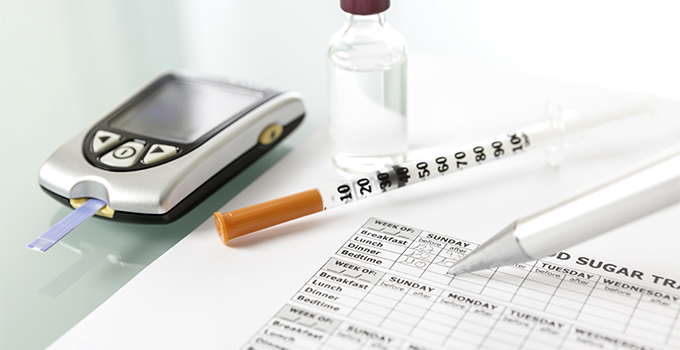
She recommends keeping track of your results in a log book to bring to appointments. Note the date and time and whether the test was before or after eating. Include details that give context to high or low readings, like exercise or food choices.
Everybody with diabetes should check their blood glucose levels. Talk to your health care team to determine the frequency of testing, which will depend on variables like whether you have Type 1 or Type 2 diabetes, medications you are taking and how well-controlled your blood glucose levels are.
How can my pharmacist help?
Your pharmacist can teach you the proper testing technique, provide information about ideal blood glucose levels and testing frequency and give you advice about managing hypoglycemia (low blood glucose) and hyperglycemia (high blood glucose). Talk to your Co-op Pharmacy team to determine which blood glucose meter is best suited to your needs.
"All meters will provide accurate testing, but there are sometimes differences in the features of the meter which makes one meter more suitable than another," said Zwack.
How do I know my results are accurate?
To ensure accuracy, make sure your test strips are not expired and have been stored properly, your hands are clean and dry and your blood sample is large enough.
"Make sure that the timing of your testing makes sense," said Zwack. "Routine testing is usually done before a meal, one to two hours after a meal, and at bedtime."
Carefully follow your meter's instructions. If you think your monitor is inaccurate, bring it to your Co-op Pharmacy team. They can help troubleshoot any problems you may have with the device, test strips or technique. Zwack noted that it's recommended to verify the accuracy of your blood glucose meter yearly by comparing your own meter result with a lab result.
"Your meter is considered to be accurate if your reading is within 20 per cent of the lab reading," she said.
What if the test result doesn't seem right?
Start by repeating the test with a new test strip. If the number still sounds wrong, assess how you're feeling.
"Your safety is the most important thing," said Zwack. "If you think you might have a low blood glucose level, then you will need to treat yourself."
If your blood glucose level appears to be high, stay hydrated and make a plan to see a member of your diabetes management health care team. If you're feeling unwell and are concerned about your blood glucose levels you should seek medical attention as soon as possible.
You will need to replace your blood glucose meter if it is providing inaccurate readings. Talk to your Co-op Pharmacy team about the best option for you, or any other questions you may have about blood glucose monitoring.