



Athlete’s foot is a fungal infection that can lead to further complications. We chatted with Rizmarc Gumpac, Pharmacy Manager at Ucluelet Co-op in Ucluelet, B.C., about how you can stay a step ahead of it.
What is athlete’s foot?
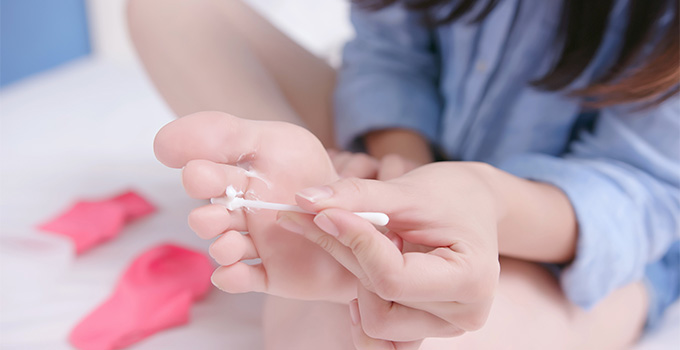
Athlete’s foot is a fungal infection affecting the feet, commonly found between the toes and surrounding areas.
Gumpac told us that the fungus grows on the top layer of the skin and in warm and humid areas. The fungus can be obtained and spread by touching a contaminated surface such as floors in locker rooms.
Other risk factors for athlete’s foot include having medical conditions such as diabetes and low immune system activity, living in humid and warm conditions, direct contact with contaminated surfaces or infected individuals and using poorly ventilated footwear. In addition, men are more susceptible to athlete’s foot than women.
What are the potential complications of athlete’s foot?
If left untreated, athlete’s foot may spread to the nails and other parts of the body.
“The infection may potentially cause cracks or entry points in the feet for other organisms such as bacteria to cause other kinds of infection,” said Gumpac.
People who have weak immune systems or conditions like diabetes and peripheral vascular disease are susceptible to these kinds of infections and should have athlete’s foot treated to prevent the condition from getting worse or developing a co-infection.
What are the symptoms of athlete’s foot?
Athlete’s foot usually causes itching, burning and peeling of the skin. The most common type of athlete’s foot affects the areas between the toes and appears as white, scaly and cracked skin.
Another type may appear on the bottom and heel of the feet as thick and cracked skin. This type sometimes affects the nails, which require a different kind of treatment.
The last type appears as fluid-filled blisters on the bottom of the feet or on the instep.
How is athlete’s foot diagnosed?
If you suspect you have athlete’s foot and you’ve never been diagnosed with it before or if you have diabetes, peripheral vascular disease or a weakened immune system, Gumpac recommends seeing a doctor to ensure a complete assessment. Otherwise, pharmacists can help confirm your self-diagnosis and assist with treatment options at the pharmacy level.
How can athlete’s foot be prevented?
Athlete’s foot can be prevented by keeping the feet clean and dry, wearing shower sandals in public places, wearing socks that absorb moisture and changing them at least once a day as needed, wearing well-ventilated footwear and using non-medicated powders (but no cornstarch) for moisture absorption.
“Most cases of athlete’s foot can be effectively treated with over-the-counter antifungal products and basic good hygiene,” Gumpac said. Antifungal products include creams, ointments, powders and sprays. More severe cases of athlete’s foot may require treatment with prescription medication.
Your Co-op pharmacist can confirm your self-diagnosis and recommend over-the-counter products accordingly, or can give guidance when to seek help from doctors. Your Co-op pharmacist can share useful tips to help you stay a step ahead of athlete’s foot!